


Disc Injury
Been told you have a slipped disc? Most disc injuries - mild to severe - can be treated by a skilled chiropractor. The first thing to get right is understanding what you actually have.
At a glance
- What it is
- The soft inner part of a spinal disc pushing through its outer layer, also called a prolapsed, herniated or slipped disc.
- Why it hurts
- Either the irritants released by the tear, or a fragment of it compressing a nerve alongside it.
- What we do
- Examine first, then build a plan around spinal adjustments and strengthening work, and reduce the risk factors behind it.
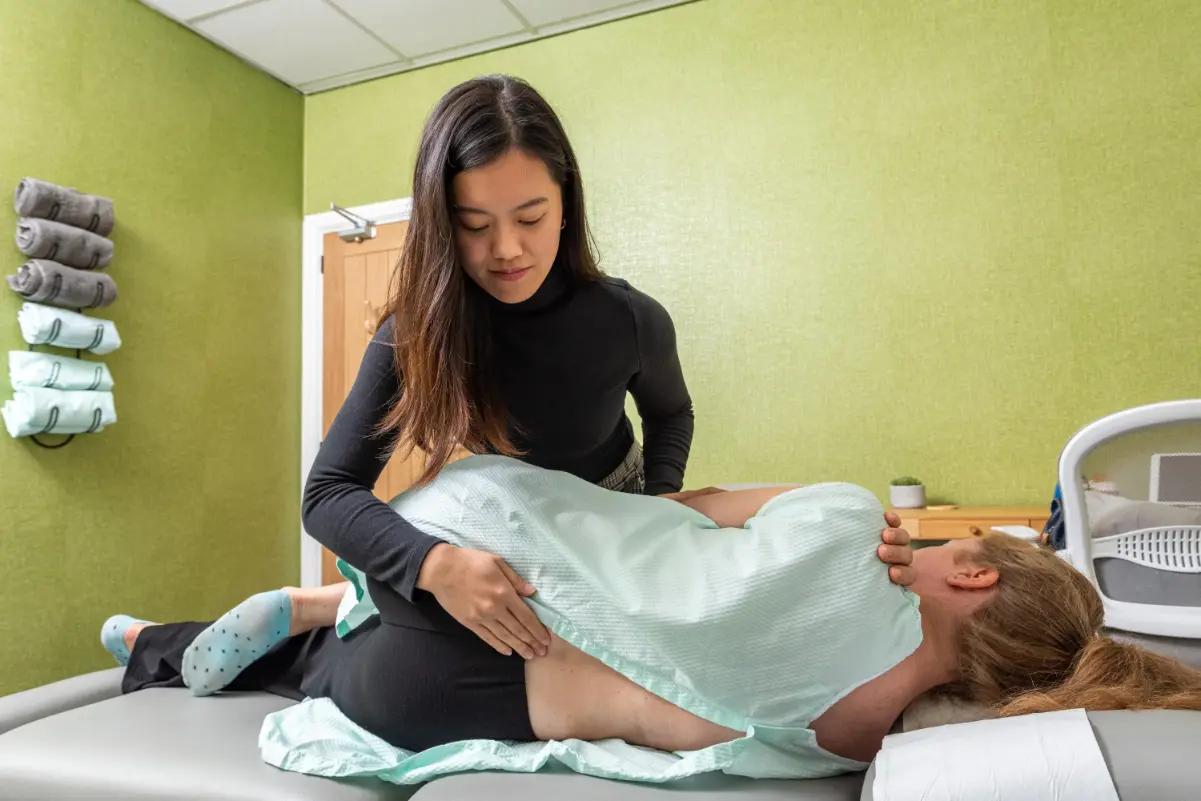
If you have been told in Burton-on-Trent or Derby that you have a slipped disc or a disc injury, the most useful thing you can do first is understand what that means for you. Disc injuries range from mild to severe, and most can be treated by a skilled chiropractor.
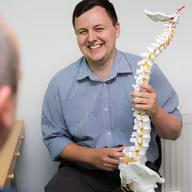
Your spinal column is made up of vertebrae, cushioned by discs that absorb the shock of everyday movement - walking, twisting, lifting. Injury or weakening can push the inner part of a disc out through its outer layer. That is what is meant by a prolapsed, herniated or slipped disc.
The pain comes from one of two things: the irritants released by the tear, or a piece of it compressing a nerve alongside it.
Why Discs Fail
Herniated discs frequently show early signs of deterioration, which is why disc herniation and degenerative disc disease have a great deal in common. A number of things weaken a disc and raise the risk of herniation.
Some are lifestyle: smoking, too little exercise, a poor diet. Others are mechanical - poor posture, ordinary wear and tear, trauma or injury, and lifting or twisting badly.
A disc that is already weakened and then subjected to additional force is the one that gives way.
What Happens When You Come In
No GP referral, no obligation, and care built around what matters to you.
Book Directly
You do not need a referral from your GP. Chiropractic is a primary healthcare profession in the UK, so you can come straight to us - including evening and Saturday appointments.
Your First Consultation
We take your full medical history and examine you properly. Nothing is assumed from the spot that hurts, because the place you feel pain is rarely the place it starts.
A Diagnosis in Plain English
We explain what we have found and what is causing it, then recommend the most appropriate course of care for your symptoms, lifestyle and goals.
Treatment Options
According to studies, chiropractic care for a herniated disc is more effective than other traditional therapies or at-home remedies like heat or regular workouts.
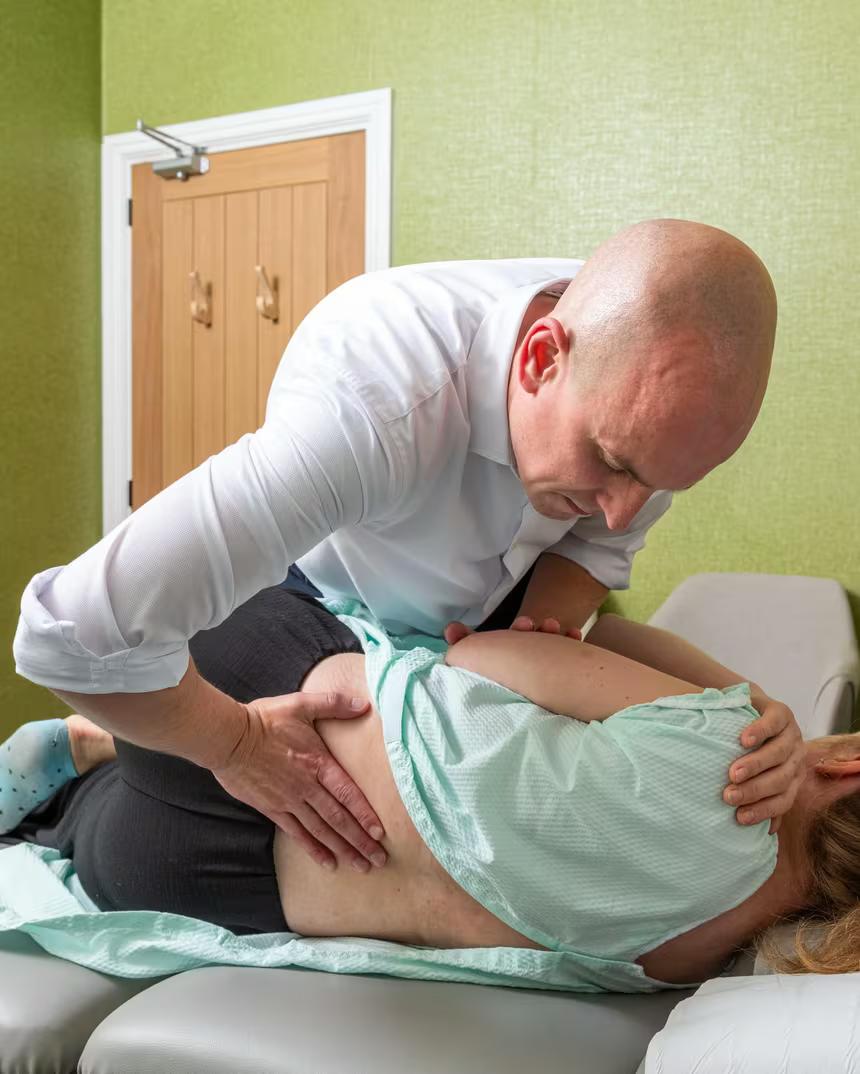
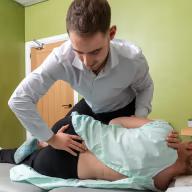
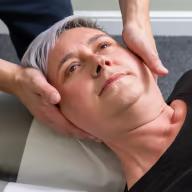
At your first appointment your chiropractor will carry out a number of tests to establish how severe the problem is, then build your individual treatment plan around what they find. That plan usually combines spinal adjustments with strengthening exercises.
The aim is to return you to a normal, largely pain-free routine - and then to keep you there. Recognising the risk factors behind the injury and putting a plan together to reduce them is how chiropractic care helps prevent disc problems recurring.
Questions we get asked
How long will it take for me to recover?
Recovery timelines vary depending on a number of factors. We take the time to understand your symptoms, lifestyle and goals before recommending the most appropriate course of care.
Is chiropractic care suitable for everyone?
Yes. We consider your medical history at consultation and adapt our techniques to your health status and age. We treat patients from two weeks old through to their 90s, including pregnant women, for whom we have specialised pregnancy pillows.
Is chiropractic treatment ongoing?
We encourage maintenance visits to prevent problems recurring, and use postural advice and rehabilitation programmes as self-care tools.
Other conditions
We’ll take the time to find out what’s causing your problem and explain it clearly. Together we’ll make a plan to get you better, and keep you better.




- 657
- Google reviews across our clinics
- 2017
- The year our Burton clinic opened
- 2
- Clinics across Burton and Derby